
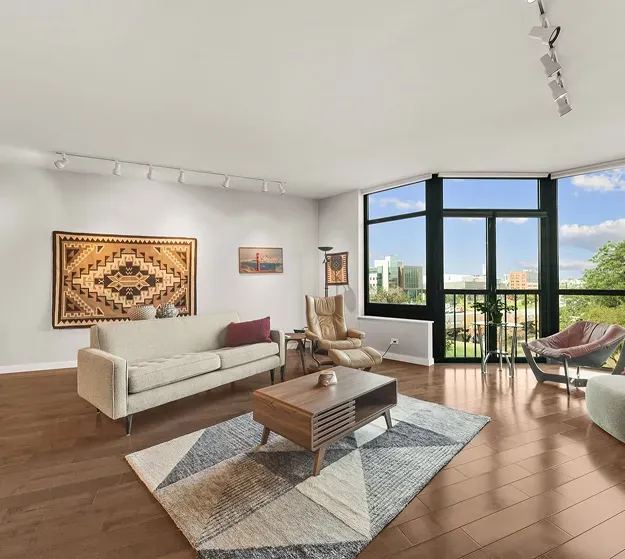



A home that feels like you.
Explore styles and ownership questions, then refine your search on COHouseHunters.

Explore Colorado home styles
Modern
Explore a focused checklist before you search.
Explore modern ↗Style & ownershipMid-Century
Explore a focused checklist before you search.
Explore Mid-Century ↗Style & ownershipCraftsman
Explore a focused checklist before you search.
Explore Craftsman ↗Style & ownershipRanch
Explore a focused checklist before you search.
Explore ranch ↗Style & ownershipMountain Contemporary
Explore a focused checklist before you search.
Explore Mountain Contemporary ↗Style & ownershipHistoric
Explore a focused checklist before you search.
Explore historic ↗Style & ownershipNew Construction
Explore a focused checklist before you search.
Explore New Construction ↗Style & ownershipLuxury
Explore a focused checklist before you search.
Explore luxury ↗Style & ownershipTownhome
Explore a focused checklist before you search.
Explore townhome ↗Style & ownershipCondominium
Explore a focused checklist before you search.
Explore condominium ↗A home’s architectural style describes its design, not its layout, ownership structure, or age. Compare those separately: identify the features you like, test whether the floorplan fits daily life, check what you own and maintain, and investigate the property’s condition and records before deciding.
Updated November 6, 2026Start by separating style, layout, and age
Architectural style is the home’s visual design and form. A floorplan is how rooms and circulation are arranged. Build age is when the home was constructed or substantially changed, while ownership describes what comes with the property and what is shared. These are different questions, even when a listing uses one label, such as “ranch,” to suggest several things at once.
Before searching, write down three lists: features you want to see, spaces or dimensions you need, and conditions or records you need to verify. For example, “wide eaves” is a visual preference; “three bedrooms on one level” is a layout requirement; “roof replaced within a documented period” is a records question. That distinction makes comparisons clearer and follow-up questions more precise.
Browse ten style references
Use these linked references to explore ten style names: Bungalow, Craftsman, Usonian, Minimal Traditional, Ranch, A-Frame, Split-Level, Bi-Level, Neo-Mansard, and Mission. These are architectural references, not links to available homes.
Treat a style label as a description of appearance, not a promise about layout, condition, or construction date. History Colorado says Colorado bungalows were popular from about 1900 to 1930 and notes that bungalow examples may use Craftsman, Mission, Pueblo Revival, or Mediterranean styles. Bungalow reference Its postwar guide covers Usonian, Minimal Traditional, Ranch, A-Frame, Split-Level, Bi-Level, and Neo-Mansard styles or forms. Postwar architecture guide
Test the floorplan against everyday routines
On a visit, trace the route from the entry to the kitchen, bedrooms, laundry, and outdoor space. Count stairs between essential rooms. Note whether doors, hallways, and storage work for the furniture and equipment you already own. If you work from home, identify the exact room that could serve as an office and check whether its location suits your needs.
Turn preferences into measurable questions: How many bedrooms must be on the main level? What is the minimum usable office area? How many steps are acceptable between the garage and kitchen? Is a bathtub, pantry, or separate dining area essential? Record answers consistently for each property. A floorplan image can help, but confirm room dimensions and circulation in person rather than assuming the drawing settles the question.
Investigate age and condition separately
A style may be associated with a period, but that context cannot establish the construction date of a particular property. History Colorado says the ranch form gained popularity in the 1940s and dominated domestic construction well into the 1960s. Postwar architecture guide
Ask the seller for available records of additions, remodels, permits, roof work, and replacements of major systems. Compare those records with what you observe, and note any unanswered questions for a qualified inspector or relevant trade professional. Request an inspection that addresses the property’s actual components and concerns; liking a style or seeing recent finishes does not answer questions about structure, drainage, electrical work, or other conditions.
Find out what you own and maintain
Once you are under contract, consult Section 7 of the Colorado Contract to Buy and Sell (Residential): the Colorado Division of Real Estate says buyers are entitled to the documents listed there, including governing and financial documents. Ask your broker for help obtaining them. Colorado Division of Real Estate: buying a home in an HOA Review the association’s meeting minutes for the last year for discussion of possible special assessments. Colorado Division of Real Estate: buying a home in an HOA
Ask which components are yours to maintain and which are shared, including roofs, exterior walls, yards, parking, and paths. Confirm regular dues, possible assessments, insurance responsibilities, and any design-review process that could affect changes you want to make. The Division says associations must maintain certain property and liability insurance for common elements, and advises buyers to check what coverage the association has and whether it requires additional insurance from owners. Colorado Division of Real Estate: buying a home in an HOA
Check rules for the property’s location
If you are considering an exterior addition, fence, accessory structure, or other change, identify the relevant approval steps before treating it as feasible. Review association rules, ask the local planning or permitting office what applies, and request records for existing work where appropriate. Keep association approval, zoning review, building permits, and inspection needs as separate items on your checklist.
Denver’s zoning information explains that zoning addresses land use and development, including structure size and location and allowed uses; its permit page provides Denver-specific services and instructions. Those rules are not a statewide guide. If the home is outside Denver, verify requirements with the municipality or county that governs that property. Denver Zoning Permits
Compare homes with a decision sheet
For each property, note the style you prefer, the layout measurements that meet your needs, the apparent age and condition questions, and the ownership responsibilities. Add a short list of documents to request and professionals to consult, such as a home inspector, qualified contractor, insurance professional, or local planning office. Mark each item as confirmed, still open, or not applicable.
Before making a decision, ask: Which must-have measurements are satisfied? What evidence supports the age and work history? Which maintenance costs or shared responsibilities are documented? What approvals would be needed for a change I may want? Use the answers to compare the properties on your priorities, not on a style label alone. Keep unresolved inspection, title, insurance, and association-document questions visible until addressed.
Questions & answers.
Does a home’s architectural style tell me its floorplan?
No. A style describes design characteristics; it does not guarantee a particular room arrangement, number of floors, or bedroom location. Review the actual floorplan, measure rooms that matter, and walk the routes between everyday spaces. If a layout feature is essential, confirm it at the property rather than relying on the listing’s style label.
Does a style label tell me when a home was built?
Style references describe periods or broad trends, not the verified construction date of a particular home. For example, History Colorado says Colorado bungalows were popular from about 1900 to 1930 and describes the ranch form as gaining popularity in the 1940s. Bungalow reference Postwar architecture guide Do not infer a property’s date from appearance; request available records and verify its history through appropriate property records. For condition and systems, rely on relevant inspections and documentation rather than visual style.
What should I request when considering a home in an HOA?
Request the association’s governing and financial documents, recent meeting minutes, current dues information, and available details about insurance and maintenance responsibilities. Review them for rules that affect your plans, possible assessments, and the association’s financial picture. Ask your broker or appropriate professional to help obtain or interpret documents when needed.
Can I use Denver zoning information for a home elsewhere in Colorado?
Use Denver’s information for Denver properties only. For another location, contact the city, town, or county with authority over the property and ask what zoning, permit, and approval requirements apply. Also check any applicable HOA rules separately; local government review and association approval are distinct questions.